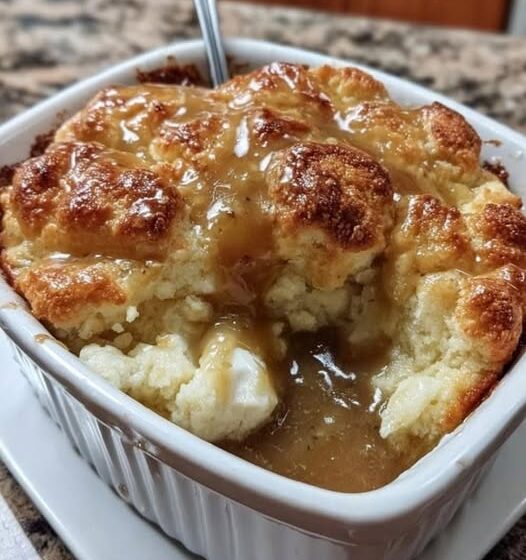
When it comes to desserts that bring back feelings of comfort and nostalgia, cobbler holds a special place in many kitchens. This easiest cobbler recipe keeps everything simple. A quick batter of flour, sugar, baking powder, salt, milk, and melted butter is poured into a baking dish, sugared fruit is spooned over the top, and the oven does the rest. As it bakes, the batter rises up around the fruit into a soft, golden, cake-like crust with bubbling fruit juices at the edges.
It works with whatever fruit is in season or in your freezer: peaches, berries, apples, or a mix. It is easy enough for beginner bakers, yet it gives experienced cooks a dependable dessert with very little effort. You can serve it warm from the oven or at room temperature, so it suits both gatherings and quiet evenings at home.
This guide walks through the ingredients and why each one matters, the method with the reasoning behind each step, a recipe card, tips and common mistakes, variations, serving ideas, storage and make-ahead notes, troubleshooting, and answers to common questions.
Why You Will Love This Easy Cobbler
- Truly simple. The batter is mixed in one bowl, the fruit in another, and nothing needs rolling, cutting, or chilling.
- Pantry ingredients. Flour, sugar, baking powder, salt, milk, and butter are staples in most kitchens.
- Flexible fruit. Use peaches, berries, apples, or a combination.
- Beginner-friendly. There are no special techniques, and a few lumps in the batter are perfectly fine.
- Serves 8. One 9×13 inch dish feeds a crowd.
- Good warm or at room temperature. It suits dinner parties, potlucks, and cozy nights.
- Easy to customize. Add spices, vanilla, a crumb topping, or nuts to make it your own.
At a Glance
| Detail | Amount |
|---|---|
| Course | Dessert |
| Cuisine | American |
| Difficulty | Easy |
| Servings | 8 |
| Prep time | 10 minutes |
| Bake time | 40 to 45 minutes |
| Oven temperature | 350°F (175°C) |
| Baking dish | 9×13 inch |
| Cooling time | 10 to 15 minutes |
Ingredients for the Easiest Cobbler
For the Fruit
- 2 cups fresh fruit (such as peaches, berries, or apples), peeled and sliced if necessary
- 1/2 cup granulated sugar (adjust based on the sweetness of the fruit)
- 1 tablespoon lemon juice
For the Cobbler Batter
- 1 cup all-purpose flour
- 1 cup granulated sugar
- 1 tablespoon baking powder
- 1/2 teaspoon salt
- 1 cup milk (whole or 2% works best)
- 1/2 cup unsalted butter, melted
A Closer Look at the Ingredients
Fresh Fruit
The fruit is the star. Choose ripe, seasonal fruit for the best flavor. The juiciness of ripe peaches or the tartness of freshly picked berries makes a real difference. Peel and slice fruits like peaches and apples so they cook evenly.
Frozen fruit also works. Thaw it and drain it first, so the extra moisture does not make the cobbler soggy.
Sugar for the Fruit
The half cup of sugar tossed with the fruit draws out its natural juices and forms a syrup as it bakes. Adjust the amount based on how sweet your fruit is. If your fruit is very sweet, you can reduce the sugar slightly for a better balance.
Lemon Juice
A tablespoon of lemon juice brightens the flavor and cuts through the sweetness and the richness of the buttery batter. It also helps keep fruits like apples and peaches from browning.
All-Purpose Flour
Flour gives the batter structure. Spooning and leveling it into the measuring cup gives the most accurate amount.
Sugar for the Batter
The cup of sugar sweetens the batter. If you prefer a less sweet cobbler, you can reduce this to 3/4 cup.
Baking Powder
A full tablespoon of baking powder gives the cobbler its lift. Use fresh baking powder, because old baking powder can leave the cobbler dense and flat.
Salt
Half a teaspoon of salt balances the sugar and makes the flavors taste fuller.
Milk
Whole or 2% milk works best. Non-dairy milks, such as almond or oat milk, can also work if you need a dairy-free option, though they may add a slightly different flavor.
Melted Butter
Melted unsalted butter gives the batter its richness. For extra flavor, you can brown the butter first, which adds a nutty depth that goes well with fruit.
How to Make the Easiest Cobbler
Step 1: Preheat the Oven
Preheat your oven to 350°F (175°C).
Preheating matters because the cobbler needs steady heat from the moment it goes in. That is how it bakes evenly and develops a golden top.
Step 2: Prepare the Fruit
In a large mixing bowl, combine the fruit, 1/2 cup granulated sugar, and the lemon juice. Stir gently to coat the fruit evenly, then set it aside.
As it rests, the sugar draws out the fruit’s juices and forms a flavorful syrup. Letting it sit for about 10 minutes can intensify the flavor, and you can use that time to make the batter.
Step 3: Mix the Dry Ingredients
In another bowl, whisk together the flour, 1 cup of sugar, baking powder, and salt until well combined.
Whisking spreads the baking powder and salt evenly, so every bite rises and tastes the same.
Step 4: Add the Wet Ingredients
Pour the milk and melted butter into the dry mixture. Stir until just combined. It is fine to have a few lumps.
A few lumps help keep the batter light and tender. Overmixing leads to a denser, tougher cobbler.
Step 5: Assemble
Grease a 9×13 inch baking dish with butter or non-stick spray. Pour in the batter and spread it evenly across the bottom. Spoon the fruit mixture over the batter, but do not stir.
Leaving the layers alone is what creates the cobbler effect: soft fruit and juices with a cakey, golden crust.
Step 6: Bake
Bake for 40 to 45 minutes, or until the top is golden brown and the cobbler is bubbling at the edges. A toothpick inserted into the center of the cakey part should come out clean.
Step 7: Cool and Serve
Let the cobbler cool for about 10 to 15 minutes before serving. This lets the juices settle so each scoop holds together better. Serve warm.
The Easiest Cobbler Recipe Card
Course: Dessert
Cuisine: American
Difficulty: Easy
Servings: 8
Prep time: 10 minutes
Cook time: 45 minutes
Ingredients
Fruit
- 2 cups fresh fruit (such as peaches, berries, or apples), peeled and sliced if necessary
- 1/2 cup granulated sugar (adjust based on the sweetness of the fruit)
- 1 tablespoon lemon juice
Batter
- 1 cup all-purpose flour
- 1 cup granulated sugar
- 1 tablespoon baking powder
- 1/2 teaspoon salt
- 1 cup milk (whole or 2%)
- 1/2 cup unsalted butter, melted
Instructions
- Preheat the oven to 350°F (175°C).
- In a large bowl, gently combine the fruit, 1/2 cup sugar, and lemon juice. Set aside.
- In another bowl, whisk together the flour, 1 cup sugar, baking powder, and salt.
- Pour in the milk and melted butter. Stir until just combined. A few lumps are fine.
- Grease a 9×13 inch baking dish. Pour in the batter and spread it evenly. Spoon the fruit mixture over the batter without stirring.
- Bake for 40 to 45 minutes, until the top is golden brown and the cobbler is bubbling at the edges.
- Cool for 10 to 15 minutes before serving.
Why This Recipe Works
The batter goes in first. Pouring the batter into the dish and spooning the fruit on top lets the batter rise up around the fruit as it bakes, creating a soft, golden crust.
Baking powder does the lifting. One tablespoon gives the batter enough rise to become fluffy and cake-like.
Sugar draws out the juices. Tossing the fruit with sugar and lemon makes a built-in syrup that bubbles up at the edges.
Lemon juice balances the sweetness. A little acidity makes the fruit taste fresher and keeps the dessert from tasting flat.
Minimal mixing keeps it tender. Stirring the batter only until combined avoids toughness.
Resting before serving helps the juices settle. This makes the cobbler easier to scoop.
Tips and Common Mistakes
- Do not skip the lemon juice. A little acidity balances the sweetness and brings out the fruit flavor.
- Do not overmix. Stir only until the batter is combined. A slightly lumpy batter is the goal.
- Use fresh baking powder. Old baking powder can leave the cobbler dense.
- Do not stir the fruit into the batter. The layers are what make it a cobbler.
- Test for doneness. Look for a golden-brown top and bubbling edges. The center should be set, and a toothpick in the cakey part should come out clean.
- Watch the browning. If the top browns too quickly, cover the dish loosely with aluminum foil.
- Drain thawed fruit. If you use frozen fruit, thaw and drain it so the cobbler does not become watery.
- Adjust the sugar. If your fruit is very sweet, reduce the sugar slightly.
- Let it rest. Ten to fifteen minutes of cooling makes serving easier.
Variations and Substitutions
Seasonal Fruits
Use whatever fruit is in season, from strawberries in spring to apples in autumn. You can mix and match for a colorful medley.
Fruit Combinations
Try blueberry and peach, cherry and apple, or sweet strawberries with tart raspberries for a pleasing contrast. A splash of vanilla extract in the batter adds a comforting aroma that suits almost any fruit.
Spices
Add a teaspoon of cinnamon or nutmeg to the batter for a warm flavor.
Crumb Topping
Try a crumb topping of oats and butter for extra texture, or sprinkle on chopped pecans or almonds for crunch. A sprinkle of brown sugar on top before baking can create a caramelized crust.
Gluten-Free Option
Swap the all-purpose flour for a gluten-free flour blend, or use almond flour for a nuttier taste. Results will differ from the standard recipe, and I have not tested these swaps.
Dairy-Free Option
Use almond or oat milk in place of dairy milk. The flavor will change slightly.
Browned Butter
Brown the butter before adding it to the batter for a nutty richness that pairs well with fruit.
What to Serve with the Easiest Cobbler
- Vanilla ice cream. The cool cream against the warm, fruity cobbler is a classic.
- Whipped cream. A dollop on top adds light creaminess.
- Yogurt. Offer it on the side for a lighter option.
- Caramel sauce. A drizzle adds extra indulgence.
- Garnishes. Fresh mint leaves or a dusting of powdered sugar make it look festive.
- Drinks. Coffee or a refreshing lemonade goes well with a slice.
Make-Ahead, Storage, and Reheating
Make-Ahead
You can prepare the fruit mixture a few hours in advance and combine it with the batter just before baking. This helps at gatherings where you want less last-minute work. Let the fruit sit a while so it releases its juices before you assemble.
Storing Leftovers
Store leftovers in an airtight container in the refrigerator for up to 3 days. The cobbler is often even better the next day, as the flavors continue to develop.
Reheating
Reheat individual portions in the microwave for about 30 seconds, or in a preheated 350°F (175°C) oven for 10 to 15 minutes, until warm.
Choosing and Preparing Your Fruit
Peaches
Ripe peaches bring juiciness and a mellow sweetness. Peel them and slice them into even pieces so they soften at the same rate.
Berries
Berries add tartness and bright color. Toss them gently with the sugar and lemon so they keep their shape.
Apples
Peel and slice apples thinly enough to soften during the bake. The lemon juice helps keep them from browning while they wait.
Mixed Fruit
A mix of sweet and tart fruit gives the most interesting flavor. Strawberries with raspberries is one pairing that works well.
A Note on the Amount of Fruit
The recipe uses 2 cups of fruit for a 9×13 inch dish, which gives a lighter layer of fruit over a generous amount of batter. If you like a fruitier cobbler, you could add more fruit, but that would be a change from the original, and I have not tested the adjusted proportions or bake time.
Understanding the Method
Why Does the Batter Go in the Dish First?
When the thin batter goes into the dish and the fruit goes on top, the batter rises up and around the fruit as it bakes. This is what turns the batter into a soft, cake-like crust on top, with the fruit and its juices underneath.
Why Is the Fruit Not Stirred In?
Keeping the layers separate gives a contrast between the soft, juicy fruit and the cakey batter. Stirring would blend them together and lose that effect.
Why Does the Cobbler Need to Rest?
Right out of the oven, the fruit juices are hot and loose. A short rest of 10 to 15 minutes lets them settle, so each scoop holds together instead of spilling across the plate.
Why Use Melted Butter?
Melted butter mixes into the batter quickly, with no creaming or cutting in. That keeps the recipe fast and the method easy.
Troubleshooting Guide
The cobbler is dense
The batter may have been overmixed, or the baking powder may have been old. Mix only until combined, and use fresh baking powder.
The top browns too quickly
Cover the dish loosely with aluminum foil to prevent burning.
The cobbler is watery
The fruit may have been too wet. If you used frozen fruit, thaw it and drain it before using.
The center is not set
Bake a little longer. The edges should bubble, the top should be golden, and a toothpick in the cakey center should come out clean.
The cobbler is too sweet
Use less sugar in the fruit if the fruit is already sweet, or reduce the batter sugar to 3/4 cup.
The cobbler is not sweet enough
Use ripe, in-season fruit, and taste the fruit before assembling. Tart fruits such as raw berries may need the full amount of sugar.
The layers mixed together
Spoon the fruit over the batter without stirring, so the layers stay separate.
Frequently Asked Questions
What fruit works best?
Peaches, berries, and apples are the suggested options. Choose ripe, seasonal fruit for the most flavor.
Can I use frozen fruit?
Yes. Thaw it and drain it first to avoid excess moisture.
Can I mix different fruits?
Yes. Combinations such as strawberry and raspberry, blueberry and peach, or cherry and apple all work.
Do I need to stir the fruit into the batter?
No. Spoon the fruit over the batter and do not stir.
How do I know the cobbler is done?
The top is golden brown, the edges are bubbling, and a toothpick inserted into the center comes out clean.
Can I make it ahead?
You can prepare the fruit mixture a few hours ahead and combine it with the batter just before baking.
How long do leftovers last?
Up to 3 days in an airtight container in the refrigerator.
How do I reheat leftovers?
Microwave for 30 seconds, or bake at 350°F (175°C) for 10 to 15 minutes.
Can I use a dairy-free milk?
Yes. Almond or oat milk can work, with a slightly different flavor.
Can I reduce the sugar?
Yes. Adjust the fruit sugar to the sweetness of the fruit, and reduce the batter sugar to 3/4 cup if you prefer a less sweet cobbler.
Can I make it gluten-free?
You can try a gluten-free flour blend or almond flour in place of the all-purpose flour. The texture will differ.
What size pan do I need?
A 9×13 inch baking dish.
Final Thoughts
The easiest cobbler lives up to its name. A simple batter, a bowl of sugared fruit, and about 45 minutes in the oven give you a warm, golden, bubbling dessert that tastes like home. It adapts to the fruit you have, welcomes spices and toppings, and goes beautifully with a scoop of ice cream.
Keep the batter lightly mixed, leave the layers alone, and let the cobbler rest before serving. Do that, and you will have a dependable dessert you can make again and again for weeknights, family dinners, and gatherings.