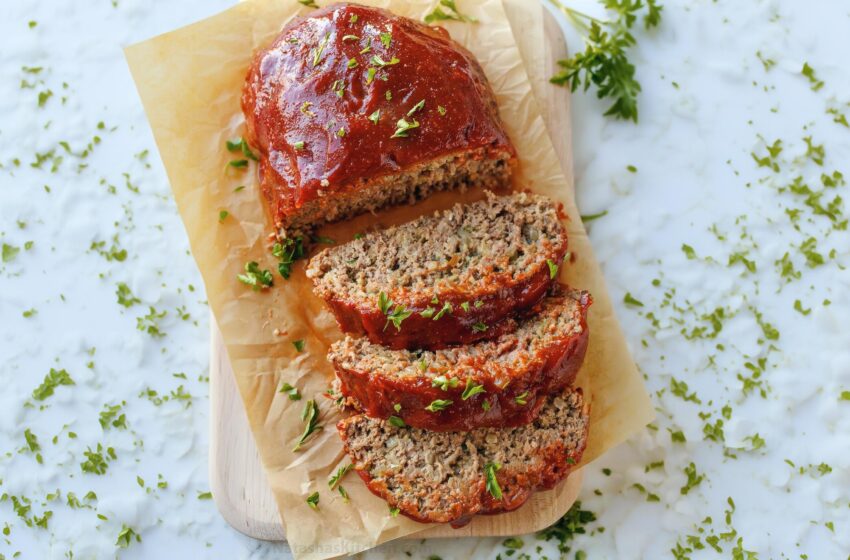
Not every great meatloaf needs to be confined to a loaf pan or suffer the dry, boring reputation it often gets on television. This homemade meatloaf proves that point simply and elegantly — an incredibly juicy, flavor-packed main course topped with a sweet and tangy glaze that caramelizes beautifully in the oven. The result is a dish that occupies a genuinely unique space: part nostalgic comfort food, part modern weeknight staple, with a texture that’s simultaneously tender, hearty, and perfectly crisp around the edges.
It’s the kind of unpretentious, deeply satisfying meal that’s been a staple in home kitchens for generations, and one that translates easily into any dinner rotation using foolproof techniques to guarantee moisture and flavor every single time.
Why Baking Free-Form Defines This Meatloaf’s Entire Character
What separates this recipe from a standard, heavy brick of meat is the clever choice to ditch the traditional loaf pan altogether. That adjustment is what pushes the texture toward a beautifully roasted, caramelized finish rather than a soggy bottom. By shaping the meat mixture directly on a rimmed baking sheet, the meatloaf benefits from maximum airflow. This allows the edges to crisp up perfectly and prevents the meat from boiling in its own rendered fats and juices. It’s the defining characteristic of this recipe, and it’s exactly why this bake reads as something distinct from an ordinary meatloaf, offering an exceptional crust and leaving plenty of surface area for the glaze.
Why Sautéing the Onions Plays Such an Important Role
With a mixture built heavily on ground beef and breadcrumbs, there’s a risk of harsh, raw aromatics overpowering the dish if they are just tossed in raw. Briefly sautéing the finely chopped onions before adding them to the meat solves that problem efficiently. Cooking the onions in a touch of olive oil until golden softens their texture so they melt seamlessly into the beef, while significantly mellowing their sharp flavor. It’s a simple, quick step, but one that makes a meaningful difference in achieving a cohesive, deeply savory profile from the inside out.
Why Delaying the Glaze Isn’t Just a Suggestion
Because this recipe relies on a sweet, ketchup-and-sugar-based sauce, adding it right at the beginning of the hour-long bake is a recipe for a burnt exterior. Baking the meatloaf completely bare for the first 40 minutes ensures the meat cooks evenly while creating a firm, dry surface for the glaze to eventually cling to. Brushing the sweet and tangy sauce on only for the final 20 minutes allows it to caramelize and bubble perfectly without scorching, giving the finished meatloaf a genuine, vibrant, and sticky-sweet lift.
The Recipe
Yield: Serves 6 to 8 Prep time: 15 minutes Cook time: 1 hour 5 minutes
Ingredients
For the Meatloaf:
- 2 pounds ground beef (80% to 85% lean)
- 1 medium yellow onion, finely chopped (about 1 cup)
- 1 teaspoon olive oil
- 2 large eggs
- 3 cloves garlic, minced
- 2 tablespoons ketchup
- 3 tablespoons fresh parsley, finely chopped
- ¾ cup Panko breadcrumbs (or gluten-free breadcrumbs)
- ⅓ cup milk
- 1 teaspoon salt
- 1 teaspoon Italian seasoning
- ½ teaspoon ground black pepper
For the Glaze:
- ¾ cup ketchup
- 1½ teaspoons white vinegar
- 2 tablespoons brown sugar
- ½ teaspoon garlic powder
- ½ teaspoon onion powder
Preparation
- Preheat and prep. Preheat the oven to 350°F. Line a rimmed baking sheet with parchment paper or aluminum foil for easy cleanup.
- Sauté the onions. Set a medium skillet over medium heat. Add the olive oil and chopped onion. Sauté, stirring occasionally, until softened and lightly golden, about 5 to 7 minutes. Transfer the onions to a plate and let them cool slightly.
- Mix the meatloaf. In a large mixing bowl, combine the ground beef, eggs, minced garlic, 2 tablespoons of ketchup, fresh parsley, Panko breadcrumbs, milk, salt, Italian seasoning, black pepper, and the cooled onions. Mix using your hands just until everything is evenly combined.
- Shape and bake. Transfer the meat mixture to the prepared baking sheet. Using your hands, shape it into a free-form loaf measuring about 8 inches long, 4 inches wide, and 3 inches tall. Bake uncovered for 40 minutes.
- Mix the glaze. While the meatloaf bakes, combine the ¾ cup of ketchup, white vinegar, brown sugar, garlic powder, and onion powder in a small bowl. Stir until smooth.
- Glaze and finish baking. Remove the meatloaf from the oven and spread the glaze generously over the top and sides. Return it to the oven and bake for an additional 20 minutes, or until the internal temperature reaches 160°F on an instant-read thermometer.
- Rest and serve. Let the meatloaf rest for 10 to 15 minutes before slicing. This allows the juices to redistribute, ensuring clean slices and a moist texture.
Tips for the Best Results
- Do not overmix the meat. Work the mixture with your hands just until the ingredients are incorporated. Overworking the ground beef will result in a dense, tough meatloaf rather than a tender one.
- Choose the right fat ratio. Stick to 80% or 85% lean ground beef. Going any leaner will deprive the meatloaf of the fat it needs to stay moist and juicy during the long bake.
- Skim the residue. Baking free-form means some coagulated proteins or fats might pool around the base. Simply wipe them away with a paper towel before transferring the loaf to a serving platter.
- Make it ahead. You can fully assemble and shape the raw meatloaf on the pan, cover it tightly in plastic wrap, and store it in the refrigerator for up to 2 days before baking.
Serving Suggestions
This meatloaf pairs naturally with creamy mashed potatoes and roasted broccoli or asparagus, its rich, savory flavor making it an easy match for classic, hearty sides. Because it slices so beautifully once cooled, the leftovers work exceptionally well the next day tucked into a sandwich — a genuinely versatile, budget-friendly staple worth keeping in regular rotation.
Why This Simple Dish Deserves More Attention
In a culinary landscape often dominated by complicated roasts or fast-food burgers, a well-executed meatloaf makes a quiet but compelling case for classic home cooking. Its appeal comes entirely from clever technique — a careful balance of hydrating milk and breadcrumbs, a flavor-packed glaze, and the decision to bake it free-form — rather than any flashy ingredients. The result is a dish that’s tender yet sliceable, deeply savory yet perfectly sweet on top, and satisfying enough to make people wonder why they don’t make meatloaf more often.

