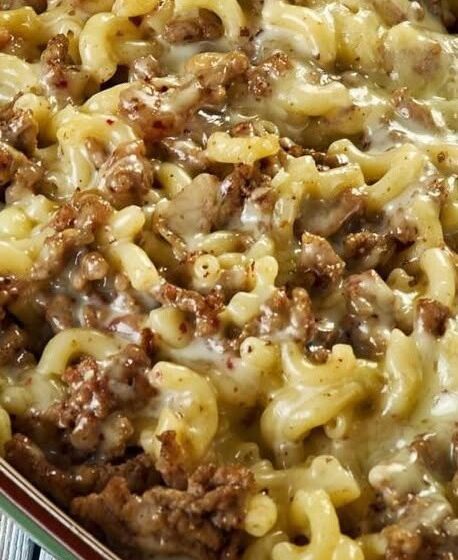
There are a few dinners that come in a box that may not have reached “guilty pleasure” status, but that we still suspect could be better for us. Hamburger Helper is a good example. It is comforting, it is quick, and it tastes so good. Part of it is the tender pasta with savory beef, but mostly it is that irresistible sauce.
Still, a few things are worth thinking about with the boxed version, like sodium levels, food dyes, and ingredients that are hard to pronounce. The good news is that you can have your Hamburger Helper and eat it too.
Homemade Hamburger Helper follows the same process as the box. You brown the ground beef, add the noodles, the liquid, and the seasoning, and let it all simmer for a few minutes until the noodles are tender. The difference is that you build your own “sauce packet” from the spice cabinet, so you know exactly what goes into dinner. And because you add real grated cheddar instead of a creamy powder, this version is a little cheesier than the original.
This guide walks you through the ingredients, the method and the reasoning behind each step, plus a recipe card, tips, variations, serving ideas, storage, and answers to the most common questions.
Why You Will Love This Homemade Hamburger Helper
- Just as easy as the box. The process is the same: brown, add everything, simmer.
- One skillet. Everything cooks in a single pan, so cleanup is short.
- About 20 minutes. It is a real weeknight dinner that does not ask much of you.
- You control the ingredients. Your own spice blend means no mystery packet and no ingredients you cannot pronounce.
- Real cheese. Grated cheddar melts into the sauce for a creamy, cheesy finish.
- Pantry-friendly. Most of the list is ground beef, macaroni, milk, cheese, and spices you may already own.
- Family-friendly flavor. It tastes like the comfort-food dinner many of us grew up with.
- Easy to customize. Swap the meat, change the cheese, or add vegetables.
At a Glance
| Detail | Amount |
|---|---|
| Serves | 4 |
| Total time | 20 minutes |
| Simmer time | 12 minutes |
| Standing time | 2 minutes |
| Cooking vessel | One large skillet with a lid |
What You Need to Make Homemade Hamburger Helper
The Ingredients
- 1 lb ground beef
- 1 cup dry macaroni noodles
- 1 cup hot water
- 2 cups milk
- 1 tablespoon cornstarch
- 1 tablespoon paprika
- 2 teaspoons onion powder
- 2 teaspoons garlic powder
- 1 teaspoon mustard powder
- 1 teaspoon kosher salt
- 1/2 teaspoon freshly ground black pepper
- 1 cup cheddar cheese, grated
A Closer Look at the Ingredients
Ground Beef
One pound of ground beef is the base of the dish. Brown it over medium heat and drain off the grease before you add anything else. Any ground beef you like to cook with will work.
Dry Macaroni Noodles
The macaroni cooks right in the skillet, in the same liquid that becomes the sauce. That is why the noodles go in dry, not pre-cooked. As they simmer, they release starch, which helps thicken the sauce naturally.
Hot Water and Milk
The recipe uses 1 cup of hot water and 2 cups of milk as the cooking liquid. The milk gives the sauce its creamy base, and the water brings the total liquid up to what the macaroni needs to cook through.
Cornstarch
One tablespoon of cornstarch helps thicken the sauce so it clings to the pasta instead of pooling at the bottom of the pan.
The Seasoning Blend
This is your homemade “sauce packet.” The combination of paprika, onion powder, garlic powder, mustard powder, salt, and pepper gives you the balance that makes the dish taste like the real thing:
- Paprika adds color and mild, slightly sweet flavor.
- Onion powder adds savory depth.
- Garlic powder adds a rounded, savory note.
- Mustard powder brings a subtle tang that works well with cheese.
- Kosher salt and black pepper season everything and sharpen the flavors.
Cheddar Cheese
One cup of grated cheddar goes in at the end, off the heat. This is what makes the dish noticeably cheesier than the boxed version.
How to Make Homemade Hamburger Helper
Step 1: Brown the Ground Beef
In a large skillet, brown the ground beef over medium heat and drain the grease.
Use a skillet large enough to hold the beef, noodles, and liquid together, and one with a lid, since you will cover it later. Break the meat into small crumbles as it cooks so it spreads evenly through the finished dish. Draining the fat keeps the sauce from turning greasy.
Step 2: Add Everything Except the Cheese
Add all of the remaining ingredients to the skillet, except for the cheese, and stir to combine. That means the macaroni, hot water, milk, cornstarch, paprika, onion powder, garlic powder, mustard powder, salt, and pepper.
Stir well so the cornstarch and spices dissolve into the liquid instead of clumping, and so the macaroni is submerged.
Step 3: Boil, Cover, and Simmer
Bring the mixture to a boil, cover, and reduce the heat to a simmer. Let it cook for 12 minutes.
Check on it once or twice to stir, since pasta can settle and stick to the bottom of the pan. The noodles are done when they are tender, and the sauce will have thickened as they cook.
Step 4: Add the Cheese and Rest
Remove the skillet from the heat and stir in the cheese. Cover and let it sit for 2 minutes, then stir again to combine. Serve and enjoy.
Adding the cheese off the heat helps it melt gently into the sauce without turning grainy or oily. The short rest lets it melt fully, and the sauce thickens a little more as it stands.
Homemade Hamburger Helper Recipe Card
Yield: Serves 4 Time: 20 minutes
Ingredients
- 1 lb ground beef
- 1 cup dry macaroni noodles
- 1 cup hot water
- 2 cups milk
- 1 tablespoon cornstarch
- 1 tablespoon paprika
- 2 teaspoons onion powder
- 2 teaspoons garlic powder
- 1 teaspoon mustard powder
- 1 teaspoon kosher salt
- 1/2 teaspoon freshly ground black pepper
- 1 cup cheddar cheese, grated
Instructions
- In a large skillet, brown the ground beef over medium heat and drain the grease.
- Add all of the remaining ingredients to the skillet, except for the cheese, and stir to combine.
- Bring to a boil, cover, and reduce to a simmer. Let cook 12 minutes.
- Remove from heat, stir in the cheese, and cover. Let sit 2 minutes, then stir to combine. Serve and enjoy.
Why This Recipe Works
It follows the same logic as the box. Cooking the pasta in the sauce liquid means no extra pot and a sauce that picks up starch from the noodles.
The seasoning blend does the work of the packet. Five pantry spices cover savory, sweet, tangy, and aromatic notes, so the dish tastes layered.
Cornstarch gives body. A tablespoon helps the milk-based sauce thicken evenly, which keeps it creamy instead of thin.
Real cheese goes in last. Stirring it in off the heat keeps the texture smooth and the flavor rich.
You know what is in it. Without a packet, the ingredient list is short and recognizable, and you can adjust the salt and seasoning to your own taste.
Tips for the Best Homemade Hamburger Helper
- Use a wide skillet with a lid. A wide pan helps the noodles cook evenly in a single layer of liquid.
- Drain the beef well. Extra grease makes the sauce slick.
- Stir the liquid before simmering. Make sure the cornstarch and spices are dissolved.
- Stir once or twice while simmering. This prevents sticking and helps the noodles cook evenly.
- Grate your own cheddar. Cheese you grate yourself tends to melt more smoothly than pre-shredded cheese, which often has anti-caking coatings.
- Add the cheese off the heat. High heat can make cheese separate.
- Let it rest. The two-minute rest makes the sauce creamier.
- Taste before serving. Adjust salt and pepper if you like.
- Serve right away. The sauce is at its creamiest fresh from the pan, and it thickens as it cools.
Variations and Ideas
These are optional ideas to try once you have made the recipe as written.
- Change the meat. Ground turkey or ground chicken can replace the beef.
- Change the cheese. Try a sharp cheddar for more tang, or a blend of cheddar and Monterey Jack for a milder, meltier sauce.
- Add vegetables. Stir in frozen peas or corn during the last few minutes of simmering, or serve the dish over steamed broccoli.
- Add heat. A pinch of cayenne or a dash of hot sauce gives it a kick.
- Cheeseburger style. Top each bowl with a few pickle slices, or a drizzle of ketchup and mustard.
- Try a different pasta. Small shells or elbow macaroni of a similar size can stand in for the macaroni. Check the package timing, since it may differ from the 12 minutes in the recipe.
- Add tomato. A spoonful of tomato paste browned with the beef adds a deeper, more savory flavor.
- Make it spicier or smokier. Swap some of the paprika for smoked paprika.
What to Serve with Homemade Hamburger Helper
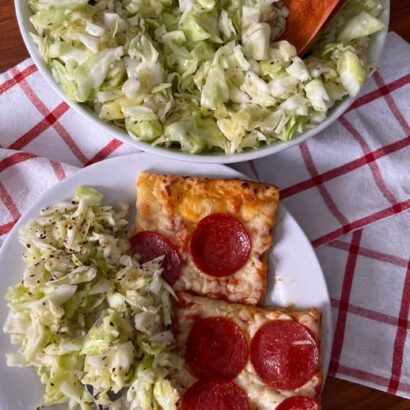
- A simple green salad. The crisp freshness balances the creamy sauce.
- Steamed or roasted vegetables. Broccoli, green beans, and carrots are all good partners.
- Garlic bread or dinner rolls. They are ideal for scooping up leftover sauce.
- Coleslaw. Its tang and crunch contrast with the soft pasta.
- Cooked frozen vegetables. For the quickest option, a bag of vegetables heated while the pasta rests rounds out the meal.
Storage and Reheating
- Refrigerate: Cool leftovers and store them in an airtight container in the refrigerator.
- Reheat: Warm single portions in the microwave or in a skillet over low heat. The pasta absorbs sauce as it sits, so add a splash of milk when reheating to loosen it.
- Freezing: Pasta in a milk-and-cheese sauce can change texture after freezing and thawing, so this dish is best enjoyed fresh or kept in the refrigerator for a few days.
- Make ahead: Because the noodles cook in the sauce, this dish is best made right before serving. You can measure out the dry spices in advance to save time.
Understanding the One-Skillet Method
Cooking pasta directly in its sauce is what makes this dish work, and it helps to understand why before you start.
When macaroni simmers in a pot of plain water, the starch it releases goes down the drain. Here, the pasta cooks in just enough milk and water to soften it, so that starch stays in the pan. It thickens the liquid and gives the sauce a velvety feel without any roux or extra steps. The cornstarch adds a little insurance on top.
This is also why the lid matters. Covering the skillet traps steam, which keeps the liquid from evaporating too fast and helps the noodles cook through evenly. If the lid is off for the whole simmer, the liquid can reduce too quickly and leave you with undercooked pasta and a sauce that is too thick.
Finally, the short rest at the end is part of the cooking. Off the heat, the pasta keeps absorbing sauce and the cheese melts gently, so the dish goes from loose and soupy to creamy and spoonable.
A Quick Troubleshooting Guide
- The noodles are still firm after 12 minutes. The pan may have been too small, or the lid may have fit loosely. Add a splash of milk, cover, and simmer a few more minutes, stirring now and then.
- Noodles stuck to the bottom. The heat may have been too high. Keep the simmer gentle and stir once or twice. A wide, heavy-bottomed skillet helps.
- The sauce looks grainy. The cheese may have gone in over high heat. Take the pan fully off the burner before adding it.
- The flavor seems flat. Taste and add a pinch of salt. A little more mustard powder or a few drops of hot sauce can also sharpen it.
- The dish is too salty. Stir in a splash of milk to mellow it, and go lighter on added salt next time.
- The beef is greasy. Drain it more thoroughly before adding the other ingredients, or blot the cooked beef with a paper towel.
Making the Seasoning Blend Ahead of Time
Because the seasoning is just five dry spices, you can mix a few batches in advance and keep them in a small jar. For one batch, combine 1 tablespoon paprika, 2 teaspoons onion powder, 2 teaspoons garlic powder, 1 teaspoon mustard powder, 1 teaspoon kosher salt, and 1/2 teaspoon black pepper. Multiply as many times as you like.
When it is time to cook, scoop out one batch’s worth, add the cornstarch separately, and you have your own “packet” ready to go. A labeled jar in the pantry makes weeknight dinners even faster. Black pepper tastes best freshly ground, so you may prefer to grind it in at cooking time instead of adding it to the jar.
Frequently Asked Questions
How is this different from boxed Hamburger Helper?
The method is the same: brown the beef, add noodles, liquid, and seasoning, then simmer. The difference is that you make your own seasoning blend and use real grated cheese instead of a powdered sauce mix.
Do I need to cook the macaroni first?
No. The dry macaroni goes straight into the skillet and cooks in the liquid during the 12-minute simmer.
Why add both water and milk?
Together they make up the cooking liquid the pasta needs. The milk gives creaminess, and the water provides the rest of the liquid.
Can I make it without cornstarch?
The cornstarch helps thicken the sauce. If you leave it out, the sauce will be thinner, though the pasta releases some starch as it cooks. Let the dish rest a bit longer before serving.
Can I use pre-shredded cheese?
Yes, though freshly grated cheese usually melts more smoothly.
What can I use instead of mustard powder?
Mustard powder gives a subtle tang. If you do not have it, you can leave it out, and the dish will still be flavorful, though slightly less tangy.
Can I use a different pasta?
Macaroni is what the recipe uses. Other small pasta shapes should work, but cooking time may change, so check the package and keep an eye on tenderness.
Can I make it with ground turkey?
Yes. Brown it the same way, and drain any fat. Leaner meats may release less fat, so you may not have much to drain.
Why is my sauce too thin?
Let it rest uncovered for a minute or two off the heat, since it thickens as it stands. Also check that you used the amount of cornstarch in the recipe and that the sauce simmered for the full time.
Why is my sauce too thick?
Stir in a splash of milk until it loosens.
Can I double the recipe?
You can, but you will need a larger pan or a Dutch oven so the noodles cook evenly in the liquid.
Is this dish kid-friendly?
It is mild and cheesy, which many children enjoy. Skip any extra cayenne or hot sauce for younger eaters.
Final Thoughts
Homemade Hamburger Helper brings back the dinner many of us grew up on, with a short, recognizable ingredient list and a sauce made from real cheese. It uses one skillet, takes about 20 minutes, and tastes like the comfort food you remember.
Once you have measured the spices a time or two, making it takes about as much effort as opening a box. Serve it hot and creamy, with something green on the side.