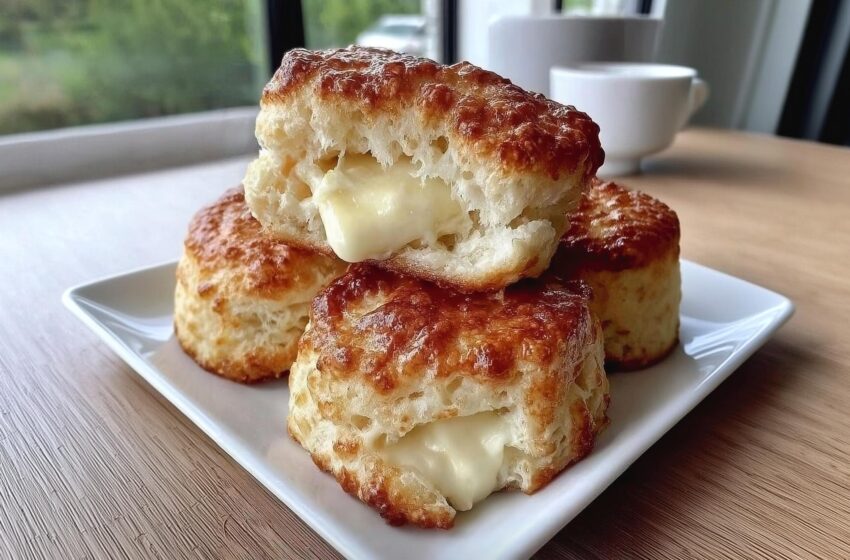
Few things fill a kitchen with the same warm, comforting aroma as a batch of biscuits baking in the oven. Butter Buttermilk Biscuits are the epitome of comfort food: soft on the inside, flaky in distinct buttery layers, and golden on top. They come together from simple pantry staples, yet the result tastes like something from a Southern grandmother’s kitchen.
These biscuits work for almost any occasion. Serve them warm with butter and honey at breakfast, split them for sausage gravy, or set a basket on the table alongside a hearty stew or roast chicken. The recipe takes about 30 minutes from start to finish, and the technique is forgiving enough for a first-time baker while still producing genuinely flaky, bakery-style layers.
This guide covers the complete recipe, the reasoning behind each ingredient, the small details that make the difference between dense and flaky, and plenty of ideas for variations, storage, and serving.
What Makes a Great Buttermilk Biscuit?
A great buttermilk biscuit comes down to a few key principles: very cold butter, a light hand with the dough, and a hot oven. The cold butter is cut into the flour in small pieces rather than fully blended in, and as the biscuits bake, that butter melts and releases steam, which pushes the layers of dough apart. That is what creates the flaky, layered texture that separates a great biscuit from a dense, bread-like one.
Buttermilk plays its own important role. Its acidity reacts with the baking soda for extra lift, and it adds a subtle tang that balances the richness of the butter. The result is a biscuit with a tender, slightly moist crumb and a satisfying, craggy golden top.
Why You’ll Love This Recipe
- Genuinely flaky. Cold butter and a simple folding technique create real, visible layers.
- Quick to make. From mixing to baking, the whole process takes about 30 minutes.
- Simple ingredients. Everything is a pantry or fridge staple.
- Versatile. Equally good with breakfast, dinner, gravy, or jam.
- Freezer friendly. Unbaked biscuits freeze well, so you can bake fresh ones anytime.
- Easy to customize. A handful of add-ins turns the base recipe into cheddar, herb, or sweet biscuits.
- Beginner friendly. The technique is simple to learn and hard to get seriously wrong.
Ingredients You’ll Need
The ingredient list is short, and each item has a clear purpose.
All-Purpose Flour
You need 2 cups of all-purpose flour. Flour provides the structure for the biscuits. Spoon it into your measuring cup and level it off rather than scooping directly from the bag, which can pack in too much flour and make the biscuits dense.
Baking Powder
You need 1 tablespoon of baking powder. This is the primary leavening agent, giving the biscuits their rise and light texture.
Baking Soda
You need ½ teaspoon of baking soda. Baking soda reacts with the acidity in the buttermilk for extra lift and helps give the biscuits a beautifully golden crust.
Salt
You need 1 teaspoon of salt. Salt sharpens all the other flavors and keeps the biscuits from tasting flat.
Granulated Sugar (Optional)
You need 1 tablespoon of granulated sugar, if using. A small amount of sugar rounds out the flavor and helps with browning, without making the biscuits noticeably sweet.
Unsalted Butter
You need ½ cup of unsalted butter, very cold and cut into small cubes. Butter is what creates the flaky layers. It must be very cold, since warm or softened butter will blend into the flour instead of staying in distinct pieces, which is what produces steam pockets and flakiness in the oven.
Buttermilk
You need ¾ to 1 cup of cold buttermilk. Buttermilk adds tang, tenderness, and moisture, and its acidity activates the baking soda for extra rise. Cold buttermilk also helps keep the butter from softening prematurely as you mix the dough.
Equipment
- A large mixing bowl
- A pastry cutter, or your fingertips
- A baking sheet
- Parchment paper
- A rolling pin, or your hands for patting out the dough
- A 2.5-inch biscuit cutter
- A pastry brush, for the butter topping
How to Make Butter Buttermilk Biscuits, Step by Step
Step 1: Preheat the Oven
Preheat your oven to 425°F (220°C). Line a baking sheet with parchment paper. A hot oven is essential here, since it helps the biscuits rise quickly before the butter has a chance to fully melt and run out.
Step 2: Mix the Dry Ingredients
In a large bowl, whisk together the flour, baking powder, baking soda, salt, and sugar if using. Whisking evenly distributes the leavening agents so you don’t end up with pockets of baking soda in the finished biscuits.
Step 3: Cut in the Butter
Add the cold, cubed butter to the flour mixture. Using a pastry cutter or your fingertips, work the butter into the flour until the mixture resembles coarse crumbs with pea-sized pieces of butter still visible throughout. Those small, distinct pieces of butter are exactly what you want, since they are what create the flaky layers as the biscuits bake.
Work quickly if using your fingertips, since the warmth of your hands can soften the butter faster than you’d like.
Step 4: Add the Buttermilk
Slowly add ¾ cup of the cold buttermilk to the flour mixture, stirring gently just until the dough begins to come together. If the dough seems too dry, add a bit more buttermilk, a tablespoon at a time, until it is soft but not overly sticky. Stop mixing as soon as the dough comes together, since overmixing develops gluten and leads to tough biscuits.
Step 5: Form the Dough
Turn the dough out onto a lightly floured surface. Gently pat it into a rectangle about 1 inch thick. Fold the dough in half, then pat it down again. Repeat this folding process two or three times.
This simple folding technique is what builds the biscuits’ signature layers, similar to a rough lamination. Each fold creates another thin sheet of butter and dough that will separate into a distinct layer in the oven.
Step 6: Cut the Biscuits
Pat the dough out to about 1 inch thick. Use a 2.5-inch biscuit cutter to cut out biscuits, pressing straight down without twisting. Twisting the cutter seals the edges of the dough, which can prevent the biscuits from rising evenly.
Gather the scraps, gently pat them back together, and cut out a few more biscuits, though these last ones may be slightly less flaky than the first cuts.
Step 7: Bake
Place the biscuits on the prepared baking sheet so they are touching slightly. This encourages them to rise upward rather than spreading outward. Brush the tops with a little melted butter for a golden, glossy finish.
Bake for 12 to 15 minutes, until the tops are golden brown.
Step 8: Serve
Remove the biscuits from the oven and let them cool slightly before serving. Enjoy them warm with butter, honey, or your favorite spread.
Recipe Card
Butter Buttermilk Biscuits
- Yield: about 8 to 10 biscuits
- Prep time: 15 minutes
- Cook time: 12 to 15 minutes
- Course: Breakfast, side dish
Ingredients
- 2 cups all-purpose flour
- 1 tablespoon baking powder
- ½ teaspoon baking soda
- 1 teaspoon salt
- 1 tablespoon granulated sugar (optional)
- ½ cup unsalted butter, very cold and cut into small cubes
- ¾ to 1 cup cold buttermilk
Instructions
- Preheat the oven to 425°F and line a baking sheet with parchment paper.
- Whisk together the flour, baking powder, baking soda, salt, and sugar.
- Cut the cold butter into the flour mixture until it resembles coarse crumbs with pea-sized butter pieces.
- Slowly stir in the buttermilk until the dough just comes together, adding more if needed.
- Turn the dough out, pat into a 1-inch-thick rectangle, fold in half, and pat down again. Repeat 2 to 3 times.
- Pat the dough to 1-inch thickness and cut out biscuits with a 2.5-inch cutter, without twisting.
- Place the biscuits on the baking sheet so they touch slightly, brush with melted butter, and bake 12 to 15 minutes, until golden brown.
Tips for the Best Biscuits
Keep the Butter Very Cold
This is the single most important factor in flaky biscuits. If your kitchen is warm, freeze the cubed butter for 10 to 15 minutes before working it into the flour.
Handle the Dough as Little as Possible
Overworking the dough develops gluten, which makes biscuits tough and dense instead of tender and flaky. Mix and fold gently, and stop as soon as the dough holds together.
Don’t Twist the Cutter
Twisting seals the cut edges of the dough, which prevents the layers from separating properly and can result in lopsided biscuits.
Let the Biscuits Touch on the Pan
Placing them close together on the baking sheet encourages them to rise upward instead of spreading outward.
Use a Hot Oven
A fully preheated, hot oven helps the biscuits rise quickly before the butter melts completely, which is essential for good height and flaky layers.
Brush with Butter Before and After Baking
Brushing melted butter on top before baking gives a golden color, and a second brush right after baking adds shine and extra flavor.
Troubleshooting Common Problems
My Biscuits Are Dense, Not Flaky
This usually comes from overworking the dough or using butter that was too warm. Handle the dough gently, and make sure your butter is very cold before you begin.
My Biscuits Didn’t Rise Much
Check that your baking powder and baking soda are fresh, since both lose potency over time. Also make sure your oven has fully preheated before the biscuits go in.
My Biscuits Spread Instead of Rising Up
The butter may have softened too much before baking, or the dough may have been too wet. Chill the cut biscuits for a few minutes before baking if your kitchen is warm.
My Dough Was Too Sticky to Handle
Add a little more flour to your work surface, and handle the dough with lightly floured hands. Avoid adding much more flour to the dough itself, since that can make the biscuits dry.
My Dough Was Too Dry and Crumbly
Add the remaining buttermilk a tablespoon at a time until the dough just comes together and is soft, but not wet or sticky.
Variations to Try
Cheddar Buttermilk Biscuits
Add 1 cup of shredded cheddar cheese and 1 teaspoon of garlic powder to the flour mixture for cheesy, savory biscuits.
Herbed Biscuits
Mix in 1 tablespoon of chopped fresh herbs, such as rosemary, thyme, or chives, for an herby twist that pairs beautifully with soups and stews.
Sweet Biscuits
Add 2 tablespoons of sugar to the dry ingredients and sprinkle the tops with cinnamon sugar before baking for a lightly sweet version, delicious with jam.
Buttermilk Substitute
If you don’t have buttermilk on hand, stir 1 tablespoon of lemon juice or vinegar into 1 cup of milk and let it sit for 5 to 10 minutes before using.
Using Salted Butter
Salted butter works fine in place of unsalted. Just reduce the added salt in the recipe to ½ teaspoon.
What to Serve With Buttermilk Biscuits
- Sausage gravy, for a classic biscuits-and-gravy breakfast
- Honey butter or fruit jam
- Fried or scrambled eggs
- A hearty beef stew or chili, for soaking up the sauce
- Roast chicken or a Sunday dinner spread
- A simple pat of butter and a drizzle of honey
Make-Ahead, Storage, and Freezing
Make ahead: You can prepare the dough, cut out the biscuits, and freeze them unbaked on a baking sheet. Once frozen solid, transfer them to a freezer bag. When ready to bake, place them directly in the oven from frozen, adding a few extra minutes to the baking time.
Storing leftovers: Store leftover baked biscuits in an airtight container at room temperature for up to 2 days.
Reheating: Warm biscuits in the oven at 350°F for a few minutes to refresh their texture and bring back some of their crispness.
Frequently Asked Questions
Can I make these biscuits ahead of time?
Yes. Prepare and cut the dough, then freeze the biscuits on a baking sheet before transferring them to a freezer bag. Bake straight from frozen, adding a few extra minutes.
How do I store leftover biscuits?
In an airtight container at room temperature for up to 2 days. Reheat in a 350°F oven for a few minutes to refresh them.
Can I use salted butter?
Yes. Simply reduce the added salt in the recipe to ½ teaspoon.
Why does the butter need to be so cold?
Cold butter stays in small, distinct pieces as it’s cut into the flour. Those pieces melt during baking and release steam, which is what creates the flaky layers.
Can I make my own buttermilk substitute?
Yes. Stir 1 tablespoon of lemon juice or vinegar into 1 cup of milk and let it sit for 5 to 10 minutes before using.
Why shouldn’t I twist the biscuit cutter?
Twisting seals the edges of the dough, which can prevent the biscuits from rising evenly and achieving their full height.
Can I make the biscuits smaller or larger?
Yes. Adjust the size of your cutter as you like, and reduce or increase the baking time slightly to account for the change in size.
Allergen Note
This recipe contains milk (from the butter and buttermilk) and gluten (from the flour). Always check labels if you are serving guests with dietary restrictions.