Some cakes never go out of style, and pound cake is at the very top of that list. Rich, buttery, dense yet tender, this Classic Homemade Pound Cake is the kind of dessert that has earned its place in Southern kitchens and family recipe boxes for generations. There’s no frosting required, no complicated decoration, just a few simple ingredients transformed into something velvety, moist, and deeply satisfying.
The name “pound cake” comes from its traditional ratio: a pound each of butter, sugar, eggs, and flour. This version keeps that same spirit while being easy enough for any home baker to follow. The recipe serves 10, takes about 20 minutes of prep, and bakes for roughly an hour. This guide covers the complete recipe, why each ingredient matters, the details that keep the crumb tender instead of tough, and plenty of ideas for variations, storage, and serving.
What Makes a Classic Pound Cake?
A true pound cake relies on a few basic techniques done well, rather than a long or unusual ingredient list. Butter and sugar are creamed together until light and fluffy, which traps air in the batter and gives the cake its structure. Eggs are added gradually for a smooth, emulsified batter, and the dry ingredients are folded in alternately with milk to keep everything well combined without overworking the gluten.
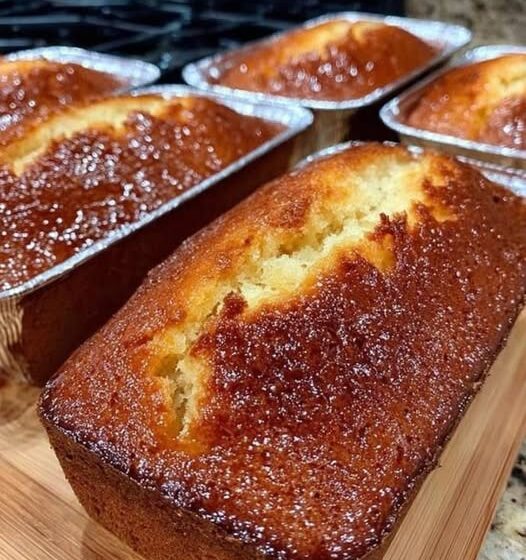
The result is a cake with a dense but tender crumb, a golden crust, and a rich, buttery flavor that needs very little embellishment. It’s a cake built for simplicity, equally at home served plain with coffee or dressed up with berries and whipped cream for a special occasion.
Why You’ll Love This Recipe
- Simple, classic ingredients. Nothing exotic, just pantry staples done right.
- Timeless and versatile. Equally suited for a weekday treat or a special gathering.
- Rich, buttery flavor. A dense, moist crumb that needs no frosting.
- Easy to customize. Adaptable for gluten-free or vegan diets, or flavored with almond, citrus, or a glaze.
- A nostalgic favorite. The kind of cake that feels like a trip down memory lane.
- Freezer friendly. Keeps well for up to a month when wrapped properly.
- Beginner friendly. Straightforward technique that rewards care rather than complexity.
Ingredients You’ll Need
Flour
You need 2 cups of flour. Flour provides the cake’s structure. Sifting it with the other dry ingredients helps ensure an even, light crumb.
Sugar
You need 1.5 cups of sugar. Sugar sweetens the cake and, when creamed with the butter, helps create the light, airy texture that defines a good pound cake.
Butter
You need 1 cup of butter. Butter is the heart of a pound cake, giving it richness, flavor, and that classic moist, tender crumb. Use room-temperature butter for the best results.
Eggs
You need 4 eggs. Eggs provide structure and richness. Adding them one at a time and beating well after each addition keeps the batter smooth and properly emulsified.
Baking Powder
You need 1 teaspoon of baking powder. Just a touch of leavening gives the cake a gentle lift, while still relying mostly on the creamed butter and eggs for its structure, true to pound cake tradition.
Salt
You need ½ teaspoon of salt. Salt sharpens the sweetness and balances the richness of the butter.
Milk
You need ½ cup of milk. Milk loosens the batter to the right consistency, helping it blend smoothly when alternated with the dry ingredients.
Vanilla Extract
You need 1 teaspoon of vanilla extract. Vanilla rounds out the flavor with warmth and depth.
Equipment
- A loaf pan or Bundt pan, greased and floured
- A large mixing bowl
- A separate bowl, for sifting the dry ingredients
- An electric mixer or a sturdy whisk
- A rubber spatula
- A toothpick, for testing doneness
- A wire cooling rack
How to Make Classic Homemade Pound Cake, Step by Step
Step 1: Preheat the Oven
Preheat your oven to 350°F (175°C).
Step 2: Cream the Butter and Sugar
Cream together the butter and sugar until light and fluffy. This step is essential, since it incorporates air into the batter, which helps give the cake its structure and tender texture.
Step 3: Add the Eggs
Add the eggs one at a time, beating well after each addition. This gradual process keeps the batter smooth and prevents it from looking curdled or separated.
Step 4: Combine the Dry Ingredients and Milk
Sift together the flour, baking powder, and salt. Add this dry mixture to the butter mixture alternately with the milk, beginning and ending with the dry ingredients for the smoothest result.
Step 5: Add the Vanilla
Stir in the vanilla extract for extra flavor.
Step 6: Bake
Pour the batter into a greased pan and bake for about 1 hour, or until golden brown and a toothpick inserted into the center comes out clean.
Step 7: Cool and Serve
Allow the pound cake to cool before slicing and serving.
Recipe Card
Classic Homemade Pound Cake
- Yield: 10 servings
- Prep time: 20 minutes
- Cook time: 60 minutes
- Course: Dessert
- Cuisine: American
Ingredients
- 2 cups flour
- 1.5 cups sugar
- 1 cup butter
- 4 eggs
- 1 teaspoon baking powder
- ½ teaspoon salt
- ½ cup milk
- 1 teaspoon vanilla extract
Instructions
- Preheat the oven to 350°F.
- Cream the butter and sugar until light and fluffy.
- Add the eggs one at a time, beating well after each.
- Sift together the flour, baking powder, and salt. Add to the butter mixture alternately with the milk.
- Stir in the vanilla extract.
- Pour into a greased pan and bake about 1 hour, until golden brown and a toothpick comes out clean.
- Cool before slicing and serving.
Tips for the Best Pound Cake
Use Room-Temperature Ingredients
Butter, eggs, and milk that are close to room temperature blend together more smoothly, giving a more even, stable batter.
Don’t Skip the Creaming Step
Beating the butter and sugar until truly light and fluffy, not just combined, is what gives the cake its structure and fine crumb. Give it a few full minutes.
Don’t Overmix the Batter
Once the flour is incorporated, mix just until combined. Overmixing develops gluten and can make the cake tough rather than tender.
Grease and Flour the Pan Thoroughly
A properly prepared pan is essential to prevent sticking, especially with a dense batter like this one.
Avoid Opening the Oven Too Early
Wait until near the end of the baking time to check for doneness. Opening the oven door too soon can cause the cake to sink in the middle.
Test for Doneness with a Toothpick
Insert it into the thickest part of the cake. It should come out clean or with just a few moist crumbs, not wet batter.
Let the Cake Cool Fully Before Slicing
Patience here results in neater, cleaner slices.
Troubleshooting Common Problems
My Cake Sank in the Middle
This usually happens from opening the oven door too early or overmixing the batter. Avoid checking on the cake during the first 40 minutes of baking.
My Cake Is Dry
It may have been baked a bit too long, or too much flour was used. Measure carefully, and start checking for doneness a few minutes before the hour mark.
My Cake Is Dense and Heavy
Pound cake is naturally denser than a fluffy layer cake, but if it seems unusually heavy, the butter and sugar may not have been creamed long enough at the start.
My Cake Stuck to the Pan
The pan likely wasn’t greased and floured thoroughly enough. Coat it generously, getting into every corner, before pouring in the batter.
My Batter Looked Curdled After Adding the Eggs
This can happen if the eggs or butter were too cold. It usually smooths out once the flour is added, and the finished cake will still taste good.
Variations to Try
Almond Pound Cake
Add a few drops of almond extract along with the vanilla for a traditional almond-flavored twist.
Citrus Pound Cake
Add the zest of a lemon or orange to the batter for a bright, fragrant variation.
Glazed Pound Cake
Drizzle a simple powdered sugar glaze over the cooled cake for an extra touch of sweetness.
Gluten-Free Version
Substitute a gluten-free flour blend for the regular flour.
Vegan Version
Use plant-based butter and a dairy-free milk alternative, along with an egg substitute such as flax eggs.
Low-Fat Version
Reduce the butter slightly and substitute part of it with unsweetened applesauce for a lighter version of the classic recipe.
What to Serve With Pound Cake
- Fresh berries and whipped cream
- A scoop of vanilla ice cream
- A drizzle of chocolate or fruit sauce
- A hot cup of coffee or tea
When to Serve It
- Sunday dinners and family gatherings
- Holiday dessert tables
- Potlucks and bake sales
- Afternoon coffee or tea
- Homemade gifts, wrapped and given to neighbors or friends
Make-Ahead, Storage, and Freezing
Storing: Keep the cooled cake in an airtight container at room temperature for several days.
Freezing: This pound cake freezes well for up to a month. Wrap it tightly to preserve its freshness, and thaw at room temperature before serving.
Frequently Asked Questions
Can I freeze this pound cake for later?
Yes, you can freeze it for up to a month. Wrap it tightly to preserve freshness.
What’s the best sugar for homemade pound cake?
Granulated sugar works best for this recipe, though you can experiment with other sugars for a different flavor profile.
How can I prevent my pound cake from sinking in the middle?
Avoid opening the oven door while baking, and make sure not to overmix the batter.
Can I make this cake gluten-free?
Yes. Substitute a gluten-free flour blend for the regular flour.
Can I make this cake vegan?
Yes. Use plant-based butter, a dairy-free milk, and an egg substitute such as flax eggs.
Why do I need to use room-temperature ingredients?
Room-temperature butter, eggs, and milk blend together more smoothly, which helps create a stable, evenly textured batter.
Allergen Note
This recipe contains eggs, milk, and gluten. Always check ingredient labels if you are serving guests with dietary restrictions.