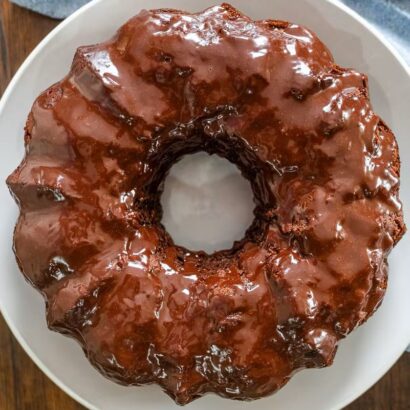
Some cakes need frosting, layers, or a fussy technique to feel special. This French Butter Cake doesn’t. It’s a little bit of both coffee cake and pound cake: a tender, buttery crumb with just the right amount of sweetness, finished with a sprinkle of sugar on top for a light, crackly crust. Made from ingredients most kitchens already have, it’s an ideal last-minute treat for a sweet craving or a simple morning coffee.
Butter does most of the work here. A full cup of melted butter is creamed with sugar, eggs and vanilla are added, and then the dry ingredients and a spoonful of sour cream go in, giving the cake a subtle tang and a moist, close-textured crumb. The recipe serves 12 to 16, takes about 10 minutes of prep, and bakes in roughly 30 to 35 minutes. This guide covers the complete recipe, why each ingredient matters, the details that keep the crumb tender, and plenty of ideas for variations, storage, and serving.
What Is French Butter Cake?
French Butter Cake is a single-layer, unfrosted cake baked in a square pan. Its texture falls between a pound cake, which is dense and rich, and a coffee cake, which is lighter and often sweetened with a crumb or sugar topping. The result is tender and fine-grained, with a golden top that picks up a little crunch from the sugar sprinkled over the batter before baking.
The name reflects its simplicity and its buttery character rather than any strict French technique. It is designed to be quick, forgiving, and easy to make on a weeknight.
Why You’ll Love This Recipe
- Simple and quick. About 10 minutes of prep before it goes into the oven.
- Buttery, tender crumb. A full cup of butter gives rich flavor and a melt-in-your-mouth texture.
- No frosting needed. The sugar-topped crust is enough.
- Uses everyday ingredients. Most of what you need is likely already in your pantry.
- Versatile for any time of day. Equally good with coffee in the morning or as an afternoon dessert.
- Easy to serve. Cut straight from the pan, with no assembly or decorating.
- Forgiving technique. Small variations in mixing time or oven heat are easy to adjust for.
Ingredients You’ll Need
Granulated Sugar
You need 1 cup of granulated sugar. Sugar sweetens the cake and, creamed with the butter, helps create the light, airy texture the batter needs. A little extra is sprinkled on top before baking.
Unsalted Butter
You need 1 cup (2 sticks) of unsalted butter, melted. Butter is the defining ingredient. Melting it gives the cake its dense, tender crumb and rich flavor. Unsalted butter lets you control the overall salt in the recipe.
Eggs
You need 3 eggs at room temperature. Eggs add structure and richness. Room-temperature eggs blend into the batter more smoothly and help avoid a curdled look.
Vanilla Extract
You need 2½ teaspoons of vanilla extract. Vanilla adds warmth and depth, rounding out the buttery flavor.
Cake Flour
You need 2 cups of cake flour. Cake flour has a lower protein content than all-purpose flour, which produces a more tender, delicate crumb. If you only have all-purpose flour, see the substitution note below.
Baking Powder
You need 2 teaspoons of baking powder. This provides the lift the cake needs to rise and stay light.
Salt
You need 1 teaspoon of salt. Salt balances the sweetness and sharpens the butter flavor.
Sour Cream
You need ⅔ cup of sour cream. Sour cream adds a gentle tang and extra moisture, which keeps the cake soft for days.
Sugar for Topping
You need 2 tablespoons of granulated sugar for sprinkling on top. This creates a thin, slightly crisp, sparkling crust.
Equipment
- A 9×9-inch baking dish
- A large mixing bowl
- A small mixing bowl
- A fine-mesh sieve, for sifting the dry ingredients
- An electric mixer or a sturdy whisk
- A rubber spatula
- A toothpick or cake tester
- A wire rack
How to Make French Butter Cake, Step by Step
Step 1: Preheat the Oven and Prepare the Pan
Preheat the oven to 350°F (175°C). Grease a 9×9-inch baking dish thoroughly, covering the bottom and sides so the cake releases cleanly once baked.
Step 2: Cream the Butter and Sugar
In a large mixing bowl, combine the melted butter and the 1 cup of sugar. Beat for at least 1 minute, until the mixture is light and airy. The melted butter will not cream as fluffily as softened butter would, but this step still incorporates air and helps the batter stay tender.
Step 3: Add the Eggs and Vanilla
Add the eggs one at a time, beating well after each addition. Then stir in the vanilla extract. Adding the eggs gradually keeps the batter smooth and prevents it from separating.
Step 4: Sift the Dry Ingredients
In a small bowl, sift together the cake flour, baking powder, and salt. Sifting removes lumps and distributes the leavening evenly, which helps the cake rise uniformly.
Step 5: Combine the Batter
Add the dry ingredients to the wet mixture in two or three additions, mixing gently after each one until just combined. Stop as soon as no dry streaks remain, since overmixing can make the cake tough.
Step 6: Fold in the Sour Cream
Fold in the sour cream with a spatula until it is evenly blended into the batter. Folding gently keeps the batter light.
Step 7: Pour and Top
Transfer the batter to the prepared baking dish and spread it into an even layer. Sprinkle the remaining 2 tablespoons of sugar evenly over the top.
Step 8: Bake
Bake for 30 to 35 minutes, until the top is lightly golden and a toothpick inserted into the center comes out clean. Start checking at the 30-minute mark, since the cake is shallow and can overbake quickly.
Step 9: Cool and Serve
Allow the cake to cool in the pan on a wire rack before cutting. Cooling for at least 20 minutes helps the crumb set, so the slices hold together cleanly.
Recipe Card
French Butter Cake
- Yield: 12 to 16 servings
- Prep time: 10 minutes
- Cook time: 30 to 35 minutes
- Course: Dessert, breakfast
Ingredients
- 1 cup granulated sugar
- 1 cup (2 sticks) unsalted butter, melted
- 3 eggs, room temperature
- 2½ teaspoons vanilla extract
- 2 cups cake flour
- 2 teaspoons baking powder
- 1 teaspoon salt
- ⅔ cup sour cream
- 2 tablespoons granulated sugar, for topping
Instructions
- Preheat the oven to 350°F and grease a 9×9-inch baking dish.
- Beat the melted butter and 1 cup sugar for 1 minute, until light and airy.
- Add the eggs one at a time, then the vanilla.
- Sift together the cake flour, baking powder, and salt. Add to the wet ingredients in additions, mixing until just combined.
- Fold in the sour cream.
- Spread the batter in the dish and sprinkle with the remaining sugar.
- Bake 30 to 35 minutes, until a toothpick comes out clean.
- Cool before slicing.
Tips for the Best French Butter Cake
Let the Butter Cool Slightly
Hot melted butter can cook the eggs on contact and create a grainy texture. Let it cool for a few minutes before beating it with the sugar.
Use Room-Temperature Eggs
Eggs at room temperature blend in more evenly and help the batter stay smooth. Set them out about 30 minutes before you start.
Sift the Flour
Sifting prevents lumps and keeps the cake light. It also helps the baking powder distribute evenly.
Don’t Overmix Once the Flour Goes In
Stir gently and stop as soon as the flour disappears. Overmixing develops gluten and produces a tough, dense cake.
Check Doneness Early
Because the cake is shallow, it can dry out if left in the oven too long. Start testing at 30 minutes.
Let It Cool Before Slicing
A short rest allows the crumb to set, so the cake cuts cleanly instead of crumbling.
Troubleshooting Common Problems
My Cake Is Dense
This usually comes from overmixing or from using too much flour. Measure carefully, sift, and stir only until combined.
My Cake Is Dry
It likely baked a few minutes too long. Remove it as soon as a toothpick comes out clean, and store it well covered.
My Cake Sank in the Middle
This can happen if the oven door was opened early or the leavening was old. Check that your baking powder is fresh, and avoid opening the oven during the first 25 minutes.
The Top Didn’t Brown
Move the pan to a higher rack for the last few minutes of baking, or extend the bake by a few minutes while watching closely.
The Sugar Topping Melted Into the Top
This is normal. The sugar forms a thin, glossy, slightly crackly crust. If you prefer a crunchier top, sprinkle a little extra sugar on just before baking.
Variations to Try
Lemon Butter Cake
Add the grated zest of one lemon to the sugar before creaming, and use a lemon glaze or a squeeze of lemon juice over the cooled cake.
Cinnamon Streusel Topping
Mix 2 tablespoons of flour, 2 tablespoons of brown sugar, and ½ teaspoon of cinnamon with 1 tablespoon of cold butter. Crumble over the batter before baking for a coffee-cake style top.
Almond Version
Replace 1 teaspoon of the vanilla extract with almond extract, and sprinkle sliced almonds over the top before baking.
Berry Cake
Scatter 1 cup of fresh blueberries or raspberries over the batter before baking. Toss the berries in a teaspoon of flour first to help keep them from sinking.
Chocolate Chip Addition
Fold ½ cup of mini chocolate chips into the batter with the sour cream.
Glazed Finish
Whisk 1 cup of powdered sugar with 1 to 2 tablespoons of milk and drizzle over the cooled cake.
What to Serve With French Butter Cake
- Fresh berries, such as strawberries, raspberries, or blueberries
- A cup of coffee or tea, for a morning treat
- A scoop of vanilla ice cream or a dollop of whipped cream
- A glass of cold milk
When to Serve It
- Morning coffee or brunch with friends
- Afternoon tea or a casual snack
- Potlucks, bake sales, and church gatherings
- Last-minute dessert when guests arrive unexpectedly
- Birthdays and special occasions, served plain or dressed up with fruit
Make-Ahead, Storage, and Freezing
Make ahead: The cake keeps well and can be baked a day before serving. Its flavor and texture hold up nicely overnight.
Storing: Keep the cooled cake covered tightly at room temperature for up to 3 to 4 days. The sour cream helps it stay moist.
Freezing: Wrap the cooled cake, whole or in individual slices, in plastic wrap and then foil. Freeze for up to 3 months. Thaw at room temperature before serving.
Frequently Asked Questions
Can I use all-purpose flour instead of cake flour?
Yes. Replace each cup of cake flour with 1 cup minus 2 tablespoons of all-purpose flour. The crumb will be slightly less tender, but the cake will still be delicious.
Can I use softened butter instead of melted?
Melted butter is what the recipe calls for, and it produces the dense, tender texture. Softened butter creamed with sugar will give a lighter, more airy cake, so the results will differ. Keep to melted butter for the intended result.
Can I skip the sour cream?
Sour cream adds moisture and a gentle tang. Plain yogurt or buttermilk can stand in for it, though the texture will change slightly.
Why sprinkle sugar on top?
The sugar forms a thin, sparkling, slightly crisp crust that contrasts nicely with the soft interior.
Can I double the recipe?
Yes. Use a 9×13-inch pan and check for doneness a few minutes later than the standard bake time, since the cake will be thicker.
How do I know when the cake is done?
The top should be lightly golden, and a toothpick inserted into the center should come out clean.
Allergen Note
This recipe contains eggs, milk (from the butter and sour cream), gluten, and wheat (from the flour). Always check ingredient labels if you are serving guests with dietary restrictions.