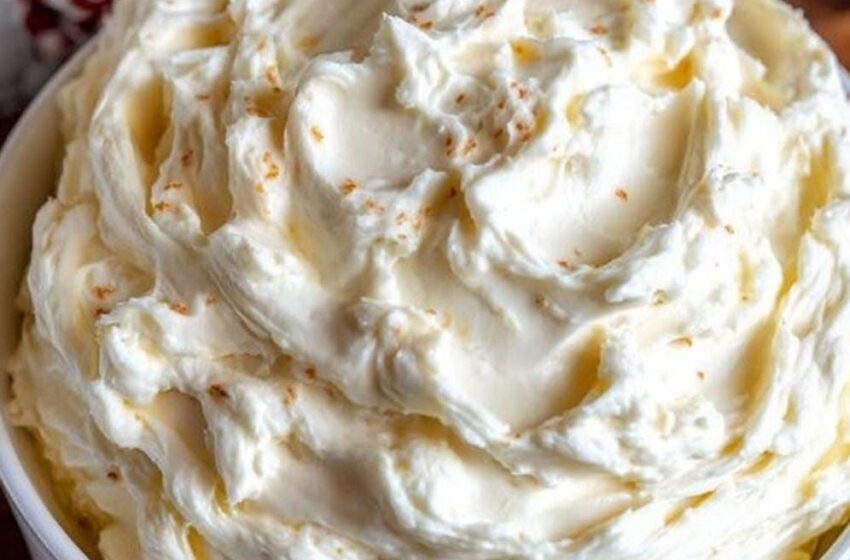
A Silky, Fluffy, Old-Fashioned Frosting Made Without Powdered Sugar
If you’ve never tried Old-School Ermine Frosting, you’re in for a treat. Also known as flour frosting or boiled-milk frosting, this classic recipe creates an incredibly smooth, light, and creamy frosting from a surprisingly simple combination of flour, milk, butter, and granulated sugar.
Unlike traditional buttercream, ermine frosting isn’t overly sweet. The cooked flour-and-milk mixture creates a silky base that is beaten with butter and sugar until wonderfully fluffy. It’s especially delicious on chocolate cake, red velvet cake, cupcakes, and classic layer cakes.
Why You’ll Love This Frosting
- Smooth and incredibly creamy
- Less sweet than traditional buttercream
- No powdered sugar required
- Light and fluffy texture
- Made with simple ingredients
- Perfect for cakes and cupcakes
- Classic old-fashioned flavor
Ingredients
For the Cooked Base
- 5 tablespoons all-purpose flour
- 1 cup whole milk
- 1 cup granulated sugar
- 1 cup unsalted butter, softened
- 1 teaspoon vanilla extract
- Pinch of salt
Instructions
Step 1: Cook the Flour and Milk
In a medium saucepan, whisk together the flour and milk until completely smooth.
Place the saucepan over medium heat.
Cook, whisking constantly, until the mixture becomes very thick—similar to a thick pudding or paste.
This usually takes about 5–8 minutes.
Be careful not to stop stirring, as the mixture can scorch or develop lumps.
Step 2: Cool the Mixture Completely
Transfer the cooked mixture to a shallow bowl.
Press plastic wrap directly against the surface to prevent a skin from forming.
Allow it to cool completely to room temperature.
This step is extremely important. The cooked mixture should be completely cool before you combine it with the butter.
Step 3: Cream the Butter and Sugar
Place the softened butter in a large mixing bowl.
Beat with an electric mixer for approximately 2–3 minutes, until light and fluffy.
Gradually add the granulated sugar and continue beating for another 3–5 minutes.
The mixture should become noticeably lighter and creamy.
Step 4: Add the Cooked Mixture
Add the cooled flour-and-milk mixture to the butter mixture a spoonful at a time.
Continue beating on medium-high speed until the frosting becomes smooth, fluffy, and almost whipped in texture.
This can take several minutes.
Step 5: Add Vanilla
Add the vanilla extract and a small pinch of salt.
Beat for another minute until everything is thoroughly incorporated.
Step 6: Frost Your Cake
Once the frosting is smooth and fluffy, spread it over a completely cooled cake or pipe it onto cupcakes.
Use immediately for the softest texture.
Tips for Perfect Ermine Frosting
Cook the flour mixture properly
The flour and milk mixture needs to become quite thick. If it’s too loose, the finished frosting may not have the right consistency.
Cool it completely
Never add the warm flour mixture to the butter. Heat can melt the butter and result in a thin frosting.
Use softened butter
Butter should be soft enough to beat easily but shouldn’t be melted.
Beat it well
The long whipping time is what gives ermine frosting its signature light and fluffy texture.
Use superfine sugar if desired
Regular granulated sugar works, but superfine sugar dissolves more easily and can produce an especially smooth frosting.
How to Fix Ermine Frosting
If the frosting is too thin
Chill it in the refrigerator for 15–20 minutes, then beat it again.
If it looks curdled
Don’t panic. Continue beating for several minutes. Temperature differences between the butter and cooked mixture can temporarily make the frosting look separated.
If it’s too thick
Allow it to sit at room temperature for a few minutes and beat again.
If the sugar feels grainy
Continue beating. Using superfine sugar can also help create a smoother texture.
Delicious Variations
Chocolate Ermine Frosting
Add 2–3 tablespoons unsweetened cocoa powder for a chocolate version.
Cinnamon Ermine Frosting
Add ½–1 teaspoon ground cinnamon for a warm, spiced flavor.
Cream Cheese Ermine Frosting
Beat in a small amount of softened cream cheese for a tangy variation.
Coconut Ermine Frosting
Replace part of the milk with coconut milk and add shredded coconut to the finished frosting.
Almond Ermine Frosting
Replace some of the vanilla extract with almond extract.
Peppermint Ermine Frosting
Add a small amount of peppermint extract for holiday cakes and cupcakes.
What Cakes Go Best With Ermine Frosting?
This classic frosting pairs beautifully with:
- Red velvet cake
- Chocolate cake
- Vanilla cake
- Spice cake
- Carrot cake
- Banana cake
- Coconut cake
- Cupcakes
- Sheet cakes
- Layer cakes
It’s particularly famous as a traditional frosting for red velvet cake, where its mild sweetness allows the cocoa and vanilla flavors of the cake to shine.
Storage
Because ermine frosting contains butter and milk, keep a frosted cake refrigerated if it won’t be served within a few hours.
The frosting can be stored in an airtight container in the refrigerator for approximately 4–5 days.
Before using refrigerated frosting, allow it to soften at room temperature and beat it again until fluffy.
Can You Freeze Ermine Frosting?
Yes.
Place the frosting in an airtight freezer-safe container and freeze for up to 2–3 months.
Thaw it overnight in the refrigerator, then bring it toward room temperature and beat it again before spreading.
Frequently Asked Questions
Why is it called ermine frosting?
The name refers to its pale, silky appearance, which resembles the white winter coat of an ermine. It’s also widely known as boiled-milk frosting or flour frosting.
Does ermine frosting taste like flour?
No. When the flour is properly cooked with the milk, its raw taste disappears. The finished frosting is creamy, buttery, and lightly sweet.
Is ermine frosting less sweet than buttercream?
Yes. Compared with many American buttercreams, ermine frosting has a noticeably lighter sweetness and a fluffy, whipped texture.
Can I use salted butter?
Yes. If using salted butter, simply reduce or omit the added salt.
Does ermine frosting need to be refrigerated?
For longer storage, yes. Keep it refrigerated and allow it to soften before serving.
Final Thoughts
Old-School Ermine Frosting is a wonderful reminder that some of the best recipes don’t need complicated ingredients. The simple combination of milk, flour, butter, and sugar transforms into a smooth, fluffy frosting that’s rich without being overwhelmingly sweet.
Spread it over a classic red velvet cake, chocolate cake, or a batch of cupcakes, and you’ll have an old-fashioned dessert with a wonderfully silky finish.